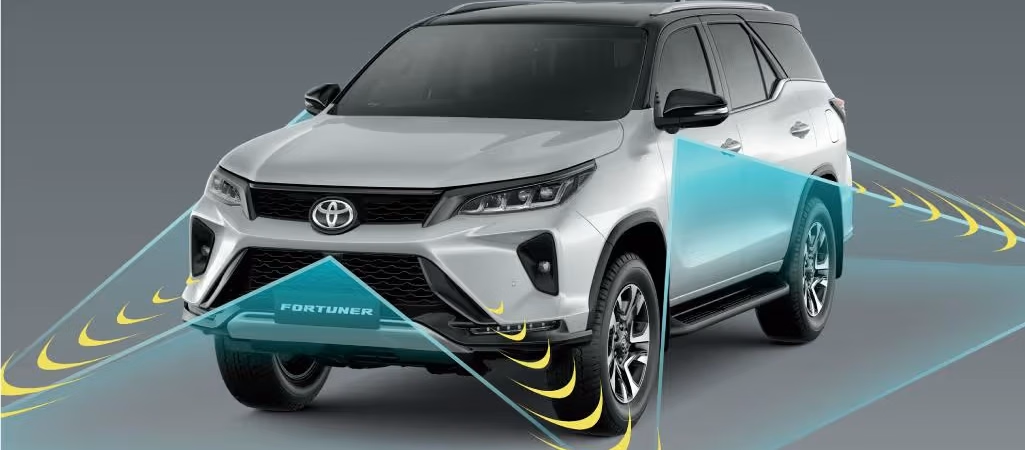
The Toyota Fortuner Next Gen is one of the most anticipated premium SUV launches among Indian automobile enthusiasts. Known for its commanding road presence, powerful diesel engine, off-road capability and reputation for durability, the Fortuner has maintained a strong position in India’s full-size SUV market for years. Now, Toyota is preparing to introduce a substantially updated version that could bring a fresh design, a more advanced interior, improved safety technology and upgraded driving capabilities.
The upcoming Toyota Fortuner Next Gen is particularly interesting because the current-generation model has been around since 2016. Although Toyota has introduced several updates over the years, including equipment improvements and the Neo Drive mild-hybrid diesel variant, buyers are increasingly expecting a comprehensive transformation.
The new model is expected to make its global debut on December 1, 2026, with an India launch anticipated in 2027. Its estimated Indian price range is approximately ₹40 lakh to ₹48.5 lakh (ex-showroom), although these figures are preliminary and should not be confused with officially announced prices.
For buyers considering a premium seven-seater SUV, the next-generation Fortuner could be worth waiting for. However, there are several important questions: Will Toyota introduce a completely new design? Will the familiar 2.8-litre diesel engine continue? Could the SUV receive ADAS technology? Will it offer better comfort and infotainment features?
This detailed guide examines everything currently known and reasonably expected about the upcoming Toyota Fortuner, including its launch timeline, estimated price, exterior styling, interior upgrades, engine options, safety features, competition and buying considerations.
Important launch clarification: December 1, 2026, is the reported global unveiling date, not a confirmed Indian showroom launch date. Toyota is expected to bring the new SUV to India in 2027. Its final Indian specifications, features and prices remain subject to official confirmation.
Toyota Fortuner Next Gen 2026–2027: At a Glance
Here is a quick overview of the important details currently available.
| Particulars | Expected details |
|---|---|
| Model | Toyota Fortuner Next Gen |
| Global debut | December 1, 2026 (reported) |
| Expected India launch | 2027 |
| Expected price | ₹40–48.5 lakh |
| Body type | Full-size premium SUV |
| Seating capacity | Expected 7 seats |
| Expected petrol engine | 2.7-litre petrol |
| Expected diesel engine | 2.8-litre diesel |
| Expected transmission | Manual and automatic |
| Expected drivetrain | 2WD and 4WD |
| Expected power | Up to approximately 201 bhp |
| Expected torque | Up to approximately 500 Nm |
| Main rivals | MG Majestor, Isuzu MU-X and other premium SUVs |
Specifications are preliminary estimates based on available reports and listings. They are not a confirmed Indian-specification sheet.
What Is the Toyota Fortuner Next Gen?
The Toyota Fortuner Next Gen is the upcoming updated-generation version of Toyota’s popular ladder-frame SUV. It is expected to build on the strengths of the existing Fortuner while addressing some of the areas where buyers increasingly expect improvements.
The Fortuner is based on Toyota’s globally established IMV platform family, which also underpins the Hilux pickup truck. Its ladder-frame construction is an important part of its identity.
Unlike many urban-focused SUVs that use monocoque construction, a ladder-frame SUV has a separate body and chassis. This architecture is traditionally valued for durability, load-carrying capability and demanding driving conditions.
The next-generation Fortuner is expected to retain this rugged foundation while receiving substantial exterior and interior changes.
Why Is the Next-Generation Fortuner Important?
There are several reasons why the upcoming model matters.
1. The current model needs a comprehensive update
The second-generation Fortuner arrived in India in 2016. It has received improvements since then, but a new-generation model could introduce a more modern overall experience.
2. Competition has increased
The premium SUV segment has become more competitive. Buyers now expect advanced driver assistance, larger displays, improved connectivity, better cabin materials and more sophisticated safety systems.
3. Technology is becoming increasingly important
A powerful engine and rugged chassis are no longer the only deciding factors. Modern buyers also consider infotainment, connected features, driver assistance and passenger comfort.
4. Toyota needs to maintain its premium SUV appeal
The Fortuner has established a strong identity in India. A carefully planned update could help Toyota retain existing customers while attracting buyers considering newer premium SUVs.
Toyota Fortuner Next Gen Launch Date in India
The launch timeline is one of the most searched aspects of the upcoming SUV.
According to automotive reports published in October 2026, Toyota is preparing for the global unveiling of the next-generation Fortuner on December 1, 2026. Reports indicate that the announcement is associated with Toyota South Africa.
However, Indian buyers will probably have to wait longer.
Expected launch timeline
- February 2026 – Testing reportsThe next-generation Fortuner was spotted testing overseas. Early spy images suggested a more squared-off design and changes to the front lighting arrangement.
- October 2026 – Global debut announcementReports indicated that Toyota would unveil the updated SUV globally on December 1, 2026.
- December 1, 2026 – Expected global unveilingThe new model is expected to be officially revealed, providing a clearer picture of its design and technology.
- 2027 – Expected Indian introductionThe Indian market is expected to receive the updated SUV sometime in 2027. Toyota has not announced a confirmed Indian launch date.
Autocar India+2
Will the Toyota Fortuner Next Gen Launch in India on December 1?
No confirmed information supports a December 1 Indian market launch.
The date refers to the reported global debut. Indian customers should distinguish between three separate events:
- Global unveiling: Introduction of the vehicle to international audiences.
- Indian launch: Official introduction and pricing announcement by Toyota India.
- Customer deliveries: The beginning of vehicle handovers to Indian buyers.
These events do not necessarily happen on the same date.
When Should Indian Buyers Expect Bookings?
Pre-booking dates have not been officially announced.
Potential buyers should monitor Toyota India’s official website and authorised dealerships for information about:
- Booking commencement.
- Variant announcements.
- Test-drive availability.
- Official ex-showroom prices.
- Delivery schedules.
- Finance and exchange offers.
It is advisable not to pay unofficial booking charges or make decisions based entirely on speculative launch announcements.
Toyota Fortuner Next Gen Expected Price in India
Price will be a major consideration for buyers interested in the upcoming SUV.
The Toyota Fortuner already occupies the premium end of India’s mainstream SUV market. A next-generation version with improved technology, updated styling and potentially additional equipment could command a higher price than the older model.
The currently circulated expected price range is ₹40 lakh to ₹48.5 lakh (ex-showroom).
Expected starting price
₹40 lakh
Expected top-end price
₹48.5 lakh
Estimated ex-showroom prices. Final prices have not been announced by Toyota.
Expected Toyota Fortuner Next Gen Variant Prices
The following indicative prices are based on currently published automotive listings. Actual Indian variants and prices may differ.
| Expected variant | Estimated price |
|---|---|
| Petrol 4×2 AT | ₹40 lakh |
| Diesel 4×2 MT | ₹40.60 lakh |
| Diesel 4×2 AT | ₹42.80 lakh |
| Diesel 4×4 MT | ₹44.60 lakh |
| Diesel 4×4 AT | ₹48.50 lakh |
These figures should be treated as market estimates rather than Toyota’s official price list.
What Factors Could Influence the Final Price?
Several factors may determine the final cost of the next-generation Fortuner.
1. Engine configuration
Petrol and diesel variants could have different starting prices. Diesel models with higher torque and additional drivetrain equipment may cost more.
2. Four-wheel-drive technology
A 4WD variant typically includes additional drivetrain components and off-road hardware. This could increase the price compared with a 2WD version.
3. Safety equipment
Additional airbags, electronic stability systems, advanced driver assistance and improved structural safety could influence manufacturing costs.
4. Interior technology
A larger infotainment display, digital instrument cluster, upgraded upholstery and additional comfort equipment could contribute to a higher variant price.
5. Manufacturing and taxation
Local manufacturing, imported components, material costs and applicable taxes can affect the final retail price.
Expected On-Road Price
The ex-showroom price is not the amount customers ultimately pay.
The on-road price generally includes:
- Ex-showroom vehicle price.
- Registration charges.
- Road tax.
- Insurance.
- Applicable additional charges and accessories.
For example, consider a hypothetical SUV with an ex-showroom price of ₹45 lakh.
| Cost component | Illustrative amount |
|---|---|
| Ex-showroom price | ₹45,00,000 |
| Registration and road tax | ₹5,00,000 |
| Insurance | ₹1,50,000 |
| Other charges | ₹25,000 |
| Illustrative on-road price | ₹51,75,000 |
This is an illustrative calculation, not a Toyota quotation. Actual registration and insurance costs depend on the state, vehicle variant and selected insurance policy.
For Maharashtra buyers, it is particularly important to obtain an authorised dealership quotation because registration taxes and insurance can make a substantial difference to the final amount.
Toyota Fortuner Next Gen Exterior Design: What Can We Expect?
The exterior design could be among the most noticeable improvements in the next-generation Fortuner.
The current SUV has a distinctive appearance, but its overall design has been on Indian roads for several years. The upcoming model is expected to adopt a more contemporary appearance while retaining the bold proportions associated with the Fortuner.
Spy images and reports suggest that Toyota is working on a squarer and more substantial-looking design.
Since the vehicle has been photographed under camouflage, the exact production design remains uncertain.
1. Redesigned Front Grille
The front grille is likely to receive considerable attention.
A larger or differently shaped grille could give the upcoming SUV a stronger visual identity. Toyota may also introduce a new grille pattern to distinguish the next-generation vehicle from the current model.
The front design will need to balance visual appeal with practical requirements such as engine cooling and airflow.
2. New LED Headlights
Updated lighting is another expected change.
The next-generation Fortuner could feature redesigned LED headlamps with a more contemporary arrangement.
Potential improvements may include:
- New LED daytime running lights.
- Updated headlamp housings.
- Revised front lighting signatures.
- Improved illumination technology.
- A more integrated front bumper design.
The exact lighting configuration will only become clear after the official unveiling.
3. Squarer SUV Styling
Early spy images suggest that Toyota may move towards a more squared-off exterior appearance.
This direction could make the SUV look more upright and muscular.
The overall design may appeal to buyers who prefer traditional large SUVs rather than crossover-inspired styling.
4. Updated Side Profile
The side profile is likely to retain the familiar large SUV proportions.
Expected design developments include:
- Redesigned alloy wheels.
- Revised body cladding.
- Updated door detailing.
- New exterior trim.
- Potentially revised window and body proportions.
Toyota may also make subtle changes to the wheel arches and lower body sections to create a more rugged appearance.
5. Rear Design Improvements
The rear section could receive a new tailgate design, updated LED tail lamps and a revised bumper.
The rear design matters because it contributes significantly to the overall identity of a large SUV.
Toyota could also introduce a redesigned rear spoiler and updated badging.
However, specific details remain unconfirmed.
6. New Alloy Wheel Designs
The next-generation Fortuner may receive redesigned alloy wheels.
Different wheel designs could be offered across the variant range, allowing the entry-level and premium versions to have distinct appearances.
Larger wheels can improve visual appeal, but buyers should also consider tyre replacement costs and ride comfort.
7. Exterior Colour Options
Toyota may introduce new colour options alongside familiar shades.
Possible colour categories could include:
- White.
- Silver.
- Grey.
- Black.
- Metallic shades.
- Dual-tone combinations, depending on the market.
These are possibilities rather than confirmed colour choices.
Toyota Fortuner Next Gen Interior and Cabin Features
The cabin is one area where the next-generation Fortuner could make a meaningful difference.
The current Fortuner has a practical interior, but buyers in the premium SUV segment increasingly expect more sophisticated technology and better cabin presentation.
The new model could introduce a substantially revised dashboard, improved infotainment equipment and additional comfort features.
1. Redesigned Dashboard
A redesigned dashboard could give the cabin a more modern appearance.
Toyota may revise the placement of the infotainment screen, air-conditioning controls, instrument panel and storage areas.
A well-designed dashboard should offer both visual appeal and practical usability.
For a vehicle intended for long journeys, physical controls for frequently used functions can be particularly useful.
2. Larger Touchscreen Infotainment System
The infotainment system is expected to be an important part of the cabin upgrade.
The upcoming SUV could receive a larger touchscreen with updated software and connectivity functions.
Potential features may include:
- Smartphone connectivity.
- Apple CarPlay compatibility.
- Android Auto compatibility.
- Bluetooth connectivity.
- Navigation.
- Voice commands.
- Multiple audio settings.
- Connected vehicle functions.
The final screen size and software specifications have not been confirmed for India.
3. Digital Instrument Cluster
A more modern instrument cluster could improve the driving experience.
A digital display may provide information such as:
- Vehicle speed.
- Engine speed.
- Fuel level.
- Driving range.
- Trip information.
- Navigation information.
- Driver assistance alerts.
- Vehicle status.
A configurable display could allow drivers to prioritise the information they use most frequently.
4. Improved Seat Comfort
Seat comfort is particularly important in a seven-seater SUV.
The next-generation Fortuner could receive improvements to seat cushioning, upholstery quality and ergonomic support.
Potential improvements include:
- Better front-seat support.
- Revised second-row seating.
- Improved headrests.
- Additional adjustment options.
- More premium upholstery.
- Improved cabin ventilation, depending on variant.
For buyers who regularly travel with family members, these improvements could be more valuable than cosmetic upgrades.
5. Seven-Seater Configuration
The Fortuner is widely associated with its three-row seating layout.
The upcoming version is expected to continue offering a seven-seat configuration.
However, the usefulness of the third row depends on actual space, seat design and passenger requirements.
Before purchasing, families should check:
- Third-row legroom.
- Headroom.
- Seat access.
- Ease of folding the seats.
- Air-conditioning performance.
- Space available for luggage when all seats are occupied.
A seven-seat label does not automatically mean that all three rows will provide equal comfort.
6. Improved Cabin Storage
A family-oriented SUV should offer practical storage solutions.
Toyota could revise the cabin layout to provide more convenient spaces for:
- Water bottles.
- Mobile phones.
- Sunglasses.
- Small bags.
- Charging cables.
- Travel accessories.
These details may seem minor, but they can make everyday driving more convenient.
7. Premium Interior Materials
The next Fortuner could introduce improved materials across the dashboard, door panels and seating surfaces.
A combination of soft-touch surfaces, contrasting trims and premium upholstery could improve the overall cabin experience.
However, the actual material quality will need to be assessed in the production vehicle.
Toyota Fortuner Next Gen Engine and Performance
Engine performance has always been one of the Fortuner’s strongest selling points.
The upcoming model is expected to continue with familiar petrol and diesel engine families for the Indian market, although Toyota has not released an official Indian powertrain specification sheet.
Expected 2.7-Litre Petrol Engine
The 2.7-litre petrol engine is one of the established powertrain options associated with the Fortuner.
It may continue in the next-generation model, potentially with refinements to efficiency, drivability or emissions compliance.
The current-generation 2.7-litre petrol Fortuner produces approximately 166 PS and 245 Nm, depending on market specification.
Potential advantages of the petrol option include:
- Smooth engine operation.
- Familiar Toyota powertrain technology.
- Suitable performance for regular road use.
- Availability of automatic transmission.
- An alternative for buyers who do not require diesel torque.
Petrol variants may appeal to customers who primarily drive in urban areas or cover relatively moderate distances.
Expected 2.8-Litre Diesel Engine
The 2.8-litre diesel engine is arguably the most important powertrain in the Fortuner range.
It is known for its strong torque delivery and suitability for highway driving, carrying passengers and handling challenging terrain.
The existing Indian-specification 2.8-litre diesel engine produces up to approximately 204 PS and 500 Nm in automatic form.
Manual configurations have different torque outputs.
The next-generation Fortuner could continue with this engine family, potentially with mechanical or calibration improvements.
Its expected advantages include:
- Strong low-speed torque.
- Good highway cruising ability.
- Useful pulling power.
- Suitability for long-distance travel.
- Compatibility with four-wheel-drive configurations.
Expected Engine Specifications
| Specification | Petrol | Diesel |
|---|---|---|
| Expected engine | 2.7-litre | 2.8-litre |
| Fuel type | Petrol | Diesel |
| Expected powertrain family | Existing Toyota petrol engine | Existing Toyota diesel engine |
| Transmission | Automatic expected | Manual/automatic expected |
| Drivetrain | 2WD expected | 2WD/4WD expected |
These are expected configurations, not final next-generation specifications.
Expected 48V Mild-Hybrid Technology
One interesting development is Toyota’s 48V mild-hybrid diesel technology.
The current Fortuner Neo Drive already demonstrates how mild-hybrid assistance can be integrated with the diesel powertrain.
The system uses an electric motor-generator and a 48V battery to support certain engine functions.
Depending on its implementation, mild-hybrid technology can assist with:
- Smoother engine restart.
- Improved stop-start operation.
- Additional assistance during acceleration.
- Reduced fuel consumption under suitable driving conditions.
It is not the same as a full hybrid system.
A 48V mild hybrid generally cannot operate as a conventional full hybrid with extended electric-only driving.
Whether the next-generation Indian Fortuner will offer this technology across its diesel range remains unconfirmed.
Will the Toyota Fortuner Next Gen Be a Hybrid?
There has been interest in electrified powertrains for Toyota’s global ladder-frame vehicles.
However, Indian buyers should not assume that the next Fortuner will arrive with a full-hybrid powertrain.
The more realistic expectation, based on existing Indian offerings, is that petrol and diesel engines will remain central to the range, potentially with mild-hybrid assistance in selected diesel variants.
Toyota has not officially confirmed the next-generation Indian powertrain lineup.
Transmission and Drivetrain: 2WD vs 4WD
A premium SUV needs to offer a suitable drivetrain for different types of drivers.
The upcoming Fortuner is expected to continue offering rear-wheel-drive or 2WD configurations alongside selected four-wheel-drive variants.
Manual Transmission
A manual transmission may appeal to drivers who prefer direct control over gear selection.
It can be particularly useful for people who regularly drive on challenging roads and prefer choosing gears themselves.
However, a manual gearbox may become tiring in heavy urban traffic.
Automatic Transmission
An automatic transmission could be the more convenient choice for urban users and long-distance travellers.
Benefits include:
- Easier operation in traffic.
- Reduced driver fatigue.
- Smooth gear changes.
- Convenient highway cruising.
The exact gearbox configuration will depend on the final variant lineup.
What Is the Difference Between 2WD and 4WD?
| Feature | 2WD | 4WD |
|---|---|---|
| Power delivery | Two wheels | Four wheels in selected modes |
| Typical use | Roads and highways | Roads and challenging terrain |
| Mechanical complexity | Lower | Higher |
| Purchase cost | Generally lower | Generally higher |
| Fuel consumption | Potentially lower | Can be higher |
| Off-road suitability | Limited | Better-equipped |
A 4WD vehicle does not automatically make its driver an expert off-roader. Tyres, ground clearance, driver skill and terrain conditions also matter.
Should You Buy the 4WD Variant?
Choose a 4WD version if you regularly:
- Travel on rough rural roads.
- Visit mountainous areas.
- Drive on loose gravel or sand.
- Explore suitable off-road trails.
- Need additional traction in challenging conditions.
For predominantly city and highway driving, a 2WD variant may be sufficient.
A 4WD system also introduces additional mechanical components that may affect servicing and ownership expenses.
Expected Safety Features in the New Toyota Fortuner
Safety technology could be one of the most important areas of improvement.
Modern premium SUVs are increasingly expected to provide comprehensive active and passive safety systems.
The upcoming Fortuner may receive additional safety equipment compared with the existing model.
1. Multiple Airbags
Multiple airbags help provide additional occupant protection in certain types of collisions.
The next-generation model could offer an expanded airbag package, depending on the market and variant.
Buyers should check the exact number and placement of airbags in the Indian-specification vehicle.
2. Anti-Lock Braking System
ABS helps prevent the wheels from locking during hard braking.
This can help drivers maintain steering control while braking on slippery or emergency surfaces.
3. Electronic Brakeforce Distribution
EBD distributes braking force according to vehicle conditions.
It works alongside ABS to help improve braking stability.
4. Electronic Stability Control
Electronic stability control helps detect and correct certain situations where the vehicle begins to lose directional stability.
This technology is particularly relevant for large SUVs.
5. Traction Control
Traction control helps manage wheelspin when acceleration occurs on low-grip surfaces.
It can be useful on wet roads, loose gravel and other slippery surfaces.
6. Hill-Start Assist
Hill-start assist helps prevent the vehicle from rolling backwards when moving away from a slope.
This can make hill driving more convenient.
7. Hill-Descent Control
Selected 4WD variants may offer hill-descent assistance.
This system helps manage vehicle speed during controlled downhill driving.
8. Rear Parking Camera and Sensors
Parking a large SUV in a crowded urban environment can be challenging.
A rear-view camera and parking sensors can help the driver understand the distance between the vehicle and nearby obstacles.
A 360-degree camera could also be a useful addition to higher variants.
9. Advanced Driver Assistance Systems
One of the biggest potential improvements is the inclusion of ADAS technology.
Spy reports have indicated that the upcoming Fortuner could receive additional driver assistance equipment.
Possible systems include:
- Adaptive cruise control.
- Lane departure warning.
- Lane-keeping assistance.
- Autonomous emergency braking.
- Forward collision warning.
- Blind-spot monitoring.
- Rear cross-traffic alert.
These features are not confirmed for the Indian model.
ADAS is designed to assist drivers, not replace their attention. The driver remains responsible for maintaining control of the vehicle.
10. Stronger Occupant Protection
A redesigned vehicle structure may incorporate updated crash-protection engineering.
However, buyers should wait for independent crash-test results for the actual production version rather than assuming that a new model will automatically achieve a particular safety rating.
Expected Comfort and Convenience Features
A vehicle priced in the ₹40–48.5 lakh estimated range will be judged not only by its engine but also by the comfort it offers.
The next Fortuner could introduce improvements across several areas.
Automatic Climate Control
Automatic climate control can maintain the selected cabin temperature by adjusting heating and cooling functions.
For Indian conditions, an effective air-conditioning system is particularly important.
Buyers should evaluate cooling performance across all three seating rows.
Ventilated Front Seats
Ventilated seats can improve comfort in hot weather.
If offered, this feature would be especially useful for drivers who spend several hours behind the wheel.
Its availability in the next-generation Indian Fortuner is not confirmed.
Wireless Smartphone Connectivity
Wireless smartphone connectivity can reduce cable clutter.
Depending on the final infotainment package, buyers may receive wireless or wired Apple CarPlay and Android Auto.
Wireless Charging
A wireless charging pad could provide a convenient way to charge compatible smartphones.
However, charging speed, device compatibility and heat management should be checked.
Powered Driver Seat
Electric seat adjustment can make it easier to find a comfortable driving position.
Memory functions, if available, would be particularly useful when multiple people regularly drive the SUV.
Keyless Entry and Push-Button Start
These features improve everyday convenience by reducing the need to use a physical key.
Connected Car Technology
Connected vehicle services may provide selected functions through a smartphone application.
Depending on the market and subscription package, these could include:
- Vehicle location.
- Vehicle status.
- Remote locking.
- Service reminders.
- Security alerts.
- Selected remote operations.
Toyota’s final connected-service package will determine which functions are available.
Toyota Fortuner Next Gen Dimensions and Practicality
Dimensions play an important role when choosing a full-size SUV.
A large vehicle should provide enough passenger space, luggage capacity and road presence without becoming unnecessarily difficult to operate.
The next-generation Fortuner is expected to retain the substantial proportions of its predecessor, although exact dimensions have not been announced.
Expected Dimensions
| Dimension | Next-generation model |
|---|---|
| Length | Not officially announced |
| Width | Not officially announced |
| Height | Not officially announced |
| Wheelbase | Not officially announced |
| Ground clearance | Not officially announced |
| Seating capacity | Expected 7 |
It would be misleading to present the current Fortuner’s dimensions as confirmed specifications for the upcoming model.
Why Wheelbase Matters
The wheelbase is the distance between the front and rear axles.
It can influence:
- Cabin space.
- Second-row legroom.
- Vehicle stability.
- Ride characteristics.
- Interior packaging.
A longer wheelbase can create opportunities for more cabin space, but the actual passenger experience also depends on seat design and vehicle layout.
Ground Clearance and Indian Roads
Ground clearance is especially relevant for Indian buyers.
Uneven roads, speed breakers, potholes and rural routes can make a vehicle with adequate ground clearance more practical.
The Fortuner’s SUV architecture and off-road-oriented engineering are among its important strengths.
The next-generation model will need to maintain this practical capability while improving everyday comfort.
Boot Space and Luggage Capacity
Families often use the Fortuner for long-distance journeys.
A three-row SUV must balance passenger space with luggage storage.
Buyers should check the following before purchasing:
- Available luggage space with all seven seats occupied.
- Boot capacity when the third row is folded.
- Ease of folding and unfolding the rear seats.
- Whether the luggage area has a flat loading surface.
- Availability of additional storage compartments.
This is particularly important for families travelling with multiple suitcases.
Toyota Fortuner Next Gen Driving Experience: What Buyers Should Expect
The Fortuner has traditionally offered a different driving experience from smaller monocoque SUVs.
Its size, elevated driving position, powerful diesel engine and ladder-frame construction create a distinctive character.
The next-generation version will need to balance these characteristics with the comfort expectations of modern SUV buyers.
City Driving
Driving a large SUV in Indian cities can be challenging.
Narrow streets, crowded parking areas and heavy traffic require careful manoeuvring.
A higher seating position provides a commanding view of the road, but the driver must also become comfortable with the vehicle’s width and turning requirements.
Potential improvements such as better cameras, parking sensors and steering assistance could make the upcoming Fortuner easier to use.
Practical advice: Take a test drive in traffic rather than evaluating the vehicle only on an open road.
Highway Driving
The Fortuner is particularly popular among buyers who regularly travel between cities.
A strong diesel engine, automatic transmission and substantial vehicle proportions can make highway journeys comfortable.
The next-generation model could improve the experience through:
- Better cabin insulation.
- More comfortable seating.
- Updated cruise-control technology.
- Improved infotainment.
- Additional driver assistance.
- Revised suspension tuning.
Actual performance will need to be assessed through independent road tests.
Off-Road Driving
Off-road capability is one of the Fortuner’s strongest traditional selling points.
The ladder-frame construction and availability of 4WD on selected versions make it suitable for certain demanding driving conditions.
Depending on the final specification, the upcoming model could continue offering equipment such as:
- Four-wheel-drive hardware.
- Low-range gearing.
- Electronic traction management.
- Hill-descent assistance.
- Selectable driving modes.
Not every variant will necessarily receive all these features.
Long-Distance Family Travel
For families, the most important factors may be different from those of off-road enthusiasts.
A comfortable family SUV should offer:
- Supportive seats.
- Effective air-conditioning.
- Easy access to the rear seats.
- Adequate luggage capacity.
- Convenient charging points.
- Useful infotainment.
- Good highway stability.
Toyota will need to ensure that the new Fortuner remains practical for everyday family use.
Toyota Fortuner Next Gen vs Current Toyota Fortuner
The difference between the current Fortuner and the upcoming model will be an important consideration for existing owners.
The current model already offers a strong combination of performance, ruggedness and premium SUV appeal.
The next generation is expected to build on that foundation.
| Area | Current Fortuner | Next-generation Fortuner |
|---|---|---|
| Platform architecture | IMV ladder-frame family | Expected to retain ladder-frame foundation |
| Exterior | Established design | Expected substantial redesign |
| Interior | Existing dashboard layout | Expected revised cabin |
| Infotainment | Existing touchscreen system | Expected updated technology |
| Instrument cluster | Existing display arrangement | Potential digital upgrades |
| Petrol engine | 2.7-litre | Expected continuation |
| Diesel engine | 2.8-litre | Expected continuation |
| 4WD | Available on selected variants | Expected to continue |
| ADAS | Limited compared with newer rivals | Potential addition |
| Indian launch | Already on sale | Expected in 2027 |
Should Current Fortuner Owners Upgrade?
If you already own a Fortuner, the decision depends on your vehicle’s age and requirements.
Consider upgrading if:
- You want a more modern interior.
- You need additional safety technology.
- You prefer updated exterior styling.
- You want improved connectivity.
- Your current vehicle is approaching a major replacement cycle.
However, there may be little reason to upgrade immediately if your existing vehicle is performing well and satisfies your needs.
Waiting for the production model and independent reviews is a sensible approach.
Toyota Fortuner Next Gen vs Its Main Rivals
The premium SUV market offers several alternatives for customers considering a large and expensive vehicle.
The next-generation Fortuner will need to compete on performance, comfort, technology, brand reputation and ownership costs.
1. Toyota Fortuner vs MG Majestor
MG Majestor is an important competitor to consider.
It targets buyers who want a premium SUV with substantial dimensions, modern equipment and a strong road presence.
Why buyers may consider the MG Majestor:
- Premium cabin presentation.
- Technology-focused equipment.
- Large SUV proportions.
- Comfort-oriented features.
- Diesel-powered SUV appeal.
Why buyers may prefer the Fortuner:
- Established Fortuner reputation.
- Toyota’s extensive Indian dealer presence.
- Familiar diesel powertrain.
- Traditional ladder-frame SUV appeal.
- Strong recognition in the used-car market.
The actual comparison will depend on the final next-generation Fortuner specification and the corresponding Majestor variant prices.
2. Toyota Fortuner vs Isuzu MU-X
Isuzu MU-X is another relevant alternative.
The MU-X offers a traditional SUV construction approach and diesel-powered performance.
It may appeal to buyers looking for a practical, rugged and relatively understated premium SUV.
The Fortuner may have an advantage in terms of established market recognition and wider customer familiarity.
However, buyers should compare dealer availability, service facilities and variant equipment in their city.
3. Toyota Fortuner vs Jeep Meridian
Jeep Meridian is a smaller, more road-focused alternative in the premium SUV category.
It may suit customers who prioritise urban usability and a more compact overall footprint.
The Fortuner’s traditional ladder-frame architecture and available 4WD configurations may be more attractive to buyers who want a more rugged SUV.
These vehicles serve somewhat different requirements, so a direct comparison should consider actual usage rather than price alone.
4. Toyota Fortuner vs Skoda Kodiaq
Skoda Kodiaq is another vehicle worth considering.
The Kodiaq focuses strongly on road comfort, interior quality and technology.
It may appeal to buyers who spend most of their time in cities and on highways rather than challenging terrain.
The Fortuner’s ladder-frame construction and traditional diesel-SUV character make it a different proposition.
Competitor Comparison
| SUV | Main appeal | Best suited for |
|---|---|---|
| Toyota Fortuner Next Gen | Rugged SUV character | Mixed road and challenging terrain |
| MG Majestor | Premium equipment | Feature-oriented SUV buyers |
| Isuzu MU-X | Diesel and rugged construction | Traditional SUV enthusiasts |
| Jeep Meridian | Road-oriented driving | Urban and highway users |
| Skoda Kodiaq | Cabin comfort and technology | Family-oriented road use |
Important: This is a category-level comparison, not a final specification or value-for-money ranking. The next-generation Fortuner’s actual competitiveness cannot be determined until its official Indian price and equipment are announced.
Who Should Consider Buying the New Toyota Fortuner?
Not every buyer needs a full-size SUV.
The next-generation Fortuner could be suitable for several categories of customers.
1. Large Families
Families who regularly travel with several passengers may appreciate a three-row SUV.
The Fortuner’s expected seven-seat layout could make it suitable for family trips.
However, buyers should check third-row comfort and luggage capacity before booking.
2. Highway Travellers
People who regularly travel long distances may appreciate the diesel engine’s expected torque delivery and the SUV’s substantial highway-oriented proportions.
Automatic transmission could also make long journeys more convenient.
3. Rural and Semi-Urban Buyers
The Fortuner’s traditional SUV construction may appeal to people who regularly encounter rough roads.
Selected 4WD variants could offer additional capability where the terrain demands it.
4. Off-Road Enthusiasts
Buyers who enjoy exploring suitable off-road trails may consider the diesel 4WD version.
However, they should also evaluate tyre suitability, ground clearance, drivetrain equipment and underbody protection.
5. Premium SUV Buyers
Some customers prefer a large SUV because of its seating position, proportions and overall driving character.
The Fortuner is designed to appeal to this category.
Who Should Avoid Buying It?
The upcoming Fortuner may not be ideal for everyone.
You should consider alternatives if:
- Your budget is limited.
- You primarily drive in narrow urban streets.
- You rarely need seven seats.
- You want an electric vehicle.
- You prioritise low running costs.
- You prefer a softer, car-like driving experience.
- You want maximum third-row luggage space.
The correct SUV is the one that fits your actual driving needs, not necessarily the most expensive model in the segment.
Toyota Fortuner Next Gen Mileage: Expected Fuel Efficiency
Fuel efficiency is an important consideration for a large SUV.
The next-generation Fortuner’s mileage figures have not been officially announced.
Its actual fuel consumption will depend on the final engine calibration, transmission, drivetrain, vehicle weight, tyres and driving conditions.
Petrol Mileage Expectations
Petrol variants may suit customers who drive relatively moderate distances and prefer petrol engine characteristics.
Fuel consumption could be higher in heavy city traffic, particularly when driving a large SUV.
Diesel Mileage Expectations
Diesel variants could remain attractive to highway users because of their strong torque characteristics.
However, actual mileage will depend on driving style and conditions.
Factors That Affect Mileage
Several factors influence fuel efficiency:
- Traffic conditions.
- Average vehicle speed.
- Acceleration habits.
- Tyre pressure.
- Passenger and luggage load.
- Air-conditioning usage.
- Road quality.
- Vehicle maintenance.
How to Improve Fuel Efficiency
Drivers can follow some simple practices:
- Maintain recommended tyre pressure.
- Avoid unnecessary acceleration.
- Use steady speeds on highways.
- Remove unnecessary luggage.
- Follow scheduled servicing.
- Avoid prolonged idling.
- Use the correct engine oil.
- Drive smoothly in traffic.
Do not rely on unverified mileage claims while calculating your ownership budget.
Wait for official certification figures and independent real-world tests.
Toyota Fortuner Next Gen Maintenance and Ownership Costs
A premium SUV should be evaluated over its entire ownership period.
The purchase price is only one part of the total cost.
For a vehicle expected to cost ₹40 lakh or more, customers should consider maintenance, insurance, tyres, fuel and depreciation.
1. Scheduled Servicing
Routine servicing generally involves checking and maintaining important vehicle systems.
Depending on the manufacturer’s schedule, this may include:
- Engine oil replacement.
- Oil filter replacement.
- Air filter inspection.
- Brake inspection.
- Coolant inspection.
- Battery checks.
- Transmission checks.
- Suspension inspection.
The final service schedule for the new model will need to be checked after its Indian launch.
2. Insurance Expenses
Insurance premiums depend on factors such as:
- Vehicle variant.
- Insured declared value.
- Location.
- Selected add-on covers.
- Insurance provider.
- Claim history, where applicable.
A comprehensive insurance policy with appropriate coverage can be useful for an expensive SUV.
Compare policies rather than selecting one based only on the initial premium.
3. Tyre Replacement
Large SUVs can have relatively expensive tyres.
The final replacement cost will depend on the wheel size, tyre brand and specification.
Buyers should also check whether the selected tyre is readily available in their city.
4. Fuel Expenses
Fuel will be one of the major recurring costs.
A customer who drives 2,000 kilometres per month will have a very different fuel budget from someone who drives 500 kilometres.
For example, suppose a diesel SUV delivers an assumed real-world efficiency of 10 km/litre and diesel costs ₹95 per litre.
For 1,000 kilometres:
- Fuel required: 100 litres.
- Fuel cost: ₹9,500.
This is an illustrative calculation, not a claim about the next-generation Fortuner’s mileage or future fuel prices.
5. Resale Value
The Fortuner has traditionally enjoyed a strong reputation in India’s used-car market.
However, future resale value will depend on:
- Vehicle condition.
- Age and mileage.
- Service history.
- Ownership records.
- Market demand.
- Fuel type.
- Local restrictions.
- Availability of newer models.
Buyers should not assume a guaranteed resale value.
Toyota Fortuner Next Gen EMI and Finance Options
Many buyers prefer financing a premium SUV rather than paying the entire amount upfront.
However, an expensive vehicle requires careful financial planning.
Consider a hypothetical vehicle costing ₹45 lakh ex-showroom.
Suppose the buyer makes a down payment of ₹15 lakh and finances the remaining ₹30 lakh.
For illustration, assume:
- Loan amount: ₹30 lakh.
- Interest rate: 9%.
- Loan tenure: 5 years.
- Monthly reducing-balance EMI.
Illustrative monthly EMI
₹62,270
Loan amount
₹30,00,000
Interest rate
9% annually
Loan tenure
60 months
Total interest
Approximately ₹7.36 lakh
Illustrative EMI only. Actual financing depends on lender terms, processing fees and the final on-road price.
How to Choose the Right Loan Tenure
A shorter loan tenure generally results in a higher monthly EMI but reduces total interest paid.
A longer tenure lowers the EMI but increases the total interest expense.
Before selecting a loan, compare:
- Interest rates from multiple lenders.
- Processing fees.
- Prepayment conditions.
- Foreclosure charges.
- Loan-to-value ratio.
- Total repayment amount.
Should You Finance the Entire Vehicle?
Financing the entire purchase may look attractive because it reduces the initial cash requirement.
However, it can increase monthly financial commitments.
A reasonable approach is to make a down payment that leaves enough money available for emergency savings and other important financial goals.
Avoid purchasing an expensive SUV simply because a lender offers a large loan.
How to Book the Toyota Fortuner Next Gen in India
The official Indian booking process has not been announced.
Once Toyota opens bookings, customers will generally be able to enquire through authorised dealerships or official online channels, depending on the company’s arrangements.
Here is a practical approach.
Step 1: Follow Official Toyota Announcements
Visit Toyota India’s official website:Toyota India official website
Check the official announcement for the new Fortuner.
Avoid relying exclusively on social media posts and unofficial booking advertisements.
Step 2: Contact an Authorised Dealership
Ask the dealership whether it has received information about the upcoming model.
Request details about:
- Expected launch period.
- Variant availability.
- Booking procedure.
- Refund conditions.
- Test-drive availability.
Step 3: Understand the Variant Lineup
Do not choose a variant based only on its price.
Compare engine options, transmission, drivetrain, seating configuration and safety equipment.
Step 4: Check the Final On-Road Price
Ask for a complete written quotation.
Compare insurance options and accessories separately.
Step 5: Arrange a Test Drive
Once demonstration vehicles become available, evaluate the SUV under realistic driving conditions.
Pay attention to:
- Steering weight.
- Braking response.
- Ride comfort.
- Engine refinement.
- Gearbox behaviour.
- Parking visibility.
- Third-row comfort.
Step 6: Read the Booking Terms
Before paying any amount, understand:
- Booking cancellation conditions.
- Refund timelines.
- Variant-change policies.
- Delivery commitments.
- Applicable taxes and charges.
A written booking confirmation is preferable to verbal assurances.
Best Practices Before Buying the Toyota Fortuner Next Gen
Buying a premium SUV involves more than comparing photographs and specifications.
Use the following checklist before making your final decision.
New Fortuner buyer checklist
0 of 10 completed
0%Confirm the official Indian launch dateCompare petrol and diesel variantsDecide whether 4WD is necessaryCheck the actual third-row seating comfortInspect boot space with all seats occupiedCompare safety features and ADAS availabilityCheck service-centre availability in your cityObtain the complete on-road quotationCompare financing and insurance optionsTake a proper test drive before booking
Reset checklist
Common Mistakes to Avoid When Buying the New Fortuner
Even experienced car buyers can make mistakes when purchasing a premium SUV.
Here are some common problems to avoid.
Mistake 1: Confusing Global Debut with Indian Launch
December 1, 2026, is the reported global unveiling date.
It does not automatically mean Indian bookings or deliveries will begin on that day.
Always confirm the Indian launch schedule separately.
Mistake 2: Treating Expected Prices as Official
The ₹40–48.5 lakh range is an estimate.
Toyota may announce different variant prices depending on the final specification and market positioning.
Do not make a financial commitment based on an unofficial price list.
Mistake 3: Choosing 4WD Without Understanding Its Purpose
Four-wheel drive can be useful in challenging conditions, but not every driver needs it.
If you mostly travel on urban roads and highways, a 2WD version may be sufficient.
Mistake 4: Ignoring Third-Row Comfort
A seven-seat SUV may not provide equally comfortable seating across all rows.
Take your family members along during the test drive and check the seating arrangement.
Mistake 5: Focusing Only on the Monthly EMI
A low EMI can sometimes involve a longer repayment period.
Calculate the total amount payable rather than comparing monthly instalments alone.
Mistake 6: Ignoring Running Costs
Fuel, insurance, tyres and maintenance can make a significant difference to the total ownership expense.
Prepare an annual ownership budget before buying.
Mistake 7: Booking Before Checking the Final Specifications
Wait until Toyota publishes the official Indian variant list.
A feature advertised in an international version may not necessarily be available in India.
Mistake 8: Assuming ADAS Makes Driving Automatic
Driver assistance systems are useful, but they have limitations.
They may not identify every hazard or respond correctly in every situation.
Drivers must remain attentive and follow traffic rules.
Future of the Toyota Fortuner: What Could Change?
The next-generation Fortuner is arriving at a time when the global automobile industry is moving towards more advanced technology and cleaner powertrains.
Several developments could influence its future.
1. Electrification of Large SUVs
Toyota has been expanding its hybrid technology across different vehicle categories.
Electrification could become increasingly relevant for large SUVs as manufacturers respond to emissions requirements and customer expectations.
However, a full-hybrid Fortuner for India should not be considered confirmed.
2. More Advanced Driver Assistance
ADAS is becoming increasingly common in premium vehicles.
Future Fortuner versions could offer more comprehensive driver assistance, depending on market requirements.
3. Connected Vehicle Services
Connected vehicle systems may become more sophisticated.
Remote vehicle monitoring, software improvements and additional digital services could become important ownership features.
4. Improved Cabin Experience
Buyers increasingly expect premium interiors even in rugged SUVs.
Manufacturers are therefore investing in improved infotainment, passenger comfort, sound insulation and cabin materials.
5. Balancing Ruggedness with Everyday Comfort
The Fortuner’s traditional identity is based on its robust SUV construction.
Its future success may depend on how effectively Toyota balances that ruggedness with modern expectations for comfort, safety and efficiency.
Expert Buying Advice: Should You Wait for the Toyota Fortuner Next Gen?
If you are planning to purchase a premium SUV in late 2026 or 2027, waiting for the next-generation Fortuner could be a sensible decision.
However, the right decision depends on your requirements and how urgently you need a vehicle.
Reasons to Wait
1. A substantially updated design
The next-generation model is expected to receive a redesigned exterior and a more contemporary appearance.
2. Potentially better technology
An updated infotainment system, digital instrument display and additional safety equipment could improve the ownership experience.
3. New-generation cabin
Buyers who find the current Fortuner’s interior dated may appreciate the expected cabin improvements.
4. Updated driving technology
Potential additions such as ADAS and improved driver assistance could make the SUV more competitive.
Reasons to Buy the Current Fortuner Instead
There are also situations where purchasing the existing model makes sense.
- You need a vehicle immediately.
- You are satisfied with the current features.
- Your preferred variant is available.
- The dealership offers an attractive discount.
- You do not want to wait for the new model.
- You prefer a proven specification over an untested new generation.
My Recommendation
If your current vehicle is working well, waiting until Toyota reveals the new Fortuner and announces its Indian specifications is a sensible strategy.
Do not rush into a purchase based only on expected features.
Compare the new model with the current Fortuner after the official Indian price announcement. The final decision should consider the actual price difference, equipment, running costs and test-drive experience.
Frequently Asked Questions About Toyota Fortuner Next Gen
1. What is the expected launch date of the Toyota Fortuner Next Gen?
The next-generation Toyota Fortuner is expected to make its global debut on December 1, 2026. Its Indian launch is anticipated in 2027. Toyota has not officially confirmed the Indian launch date.
2. What will be the expected price of the new Toyota Fortuner in India?
The expected ex-showroom price is approximately ₹40 lakh to ₹48.5 lakh. These are preliminary estimates, not official Toyota prices.
3. Will the Toyota Fortuner Next Gen have a diesel engine?
The upcoming SUV is expected to continue with a 2.8-litre diesel engine option. However, Toyota has not officially confirmed the final Indian powertrain specifications.
4. Will the new Fortuner offer a 4WD option?
A four-wheel-drive configuration is expected to continue on selected variants. It could appeal to buyers who regularly drive on challenging roads or suitable off-road terrain.
5. Will the next-generation Fortuner have ADAS?
The new model could receive additional Advanced Driver Assistance Systems, potentially including adaptive cruise control, lane assistance and autonomous emergency braking. However, the availability and functions of ADAS in the Indian version remain unconfirmed.
6. Will the new Toyota Fortuner be a seven-seater?
The upcoming model is expected to retain a seven-seat configuration. Buyers should check the actual third-row space and luggage capacity when the Indian version becomes available.
7. Will the Toyota Fortuner Next Gen be available with an automatic transmission?
Automatic transmission options are expected for the upcoming SUV. The final gearbox combinations and variant availability will be announced by Toyota.
8. Should I wait for the next-generation Fortuner or buy the current model?
If you do not urgently need a vehicle, waiting for the next-generation model’s official Indian launch could be worthwhile. You will be able to compare its design, features and price with the current Fortuner before making a decision.
Conclusion: Is the Toyota Fortuner Next Gen Worth Waiting For?
The upcoming Toyota Fortuner Next Gen could be one of the most significant developments in India’s premium SUV market in 2027.
With the current Fortuner having been on sale since 2016, expectations for a comprehensive update are understandably high. The reported December 1, 2026, global unveiling gives enthusiasts an opportunity to see how Toyota plans to evolve its established SUV.
The expected ₹40 lakh to ₹48.5 lakh price range positions it firmly in the premium SUV category. A redesigned exterior, more modern cabin, updated infotainment, improved safety technology and familiar petrol and diesel powertrain options could make the next-generation model attractive to existing Fortuner owners and new customers.
Its expected ladder-frame construction and available 4WD configurations could also preserve the rugged character that has helped the Fortuner build its reputation.
Nevertheless, important details remain unconfirmed. The final Indian price, engine specifications, mileage, safety equipment, ADAS functions and launch schedule will determine how competitive the new model actually becomes.
For prospective buyers, the best approach is to wait for Toyota’s official announcement, compare the final variants and take a proper test drive before booking.
If you are planning to purchase a premium seven-seater SUV in 2027, keep the Toyota Fortuner Next Gen on your shortlist.
Follow official Toyota announcements and keep checking for updated launch information, variant details, pricing and expert reviews before making your final purchase decision.
VinFast VF3: Price, Range, Features, Specifications, Design and India Launch Expectations